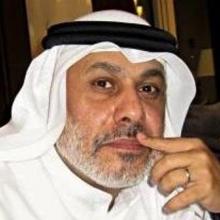
On 28 July 2016, the Specialised Criminal Court (SCC) of Riyadh sentenced Abdelkarim Al Hawaj to death after a flawed trial in which, confessions made under torture were admitted as sole evidence. On 24 November 2016, Alkarama raised his case with the Special Rapporteur on Summary Executions (SUMEX), calling for her intervention with the Saudi authorities to demand the repeal of Abdelkarim’s death sentence.

Nader Snoussi Ali Al Omrani, a 44-year-old well respected religious scholar, was abducted on 6 October 2016 in Tripoli by several members of the RADA forces, which pledged allegiance to the UN-backed Government of National Accord (GNA). His family has not heard from him since; however, they fear he was killed while secretly detained following the release of a video in which a young man confesses to his execution.

On 15 November 2016, the Egyptian Parliament proposed a flawed new draft NGO Law that replaces both the previous 2002 Law on Associations and the draft NGO Law that was presented by the government earlier this year.

On 6 December 2016, Muawiya Harba and Sultan Harba, two Syrians from the same family living in refugee camps in the border city of Arsal, east Lebanon, will have their next trial session before the Military Court in Beirut. They are facing terrorism charges based solely on information extracted under torture during their secret detention at the premises of the Ministry of Defence in Yarzeh, Baabda.

On 18 November 2016, Alkarama and Human Rights Guardians wrote to the United Nations Working Group on Enforced Disappearances (WGEID) regarding the cases of two Syrian citizens from the village of Kafr al-Tun, who disappeared in the Governorate of Hama in western central Syria in 2012.

On 17 November 2016, Alkarama wrote to the Special Rapporteur on the situation of Human Rights Defenders (SR HRD) regarding the case of two Saudi activists, Mohamed Al Otaibi and Abdullah Al Atawi, who are currently put on trial before the Specialised Criminal Court (SCC) due to their peaceful human rights activism. The next trial hearing is set for 26 December 2016.

GENEVA (17 November 2016) – The United Nations Working Group on Arbitrary Detention (WGAD) has renewed its call for Saudi Arabia to release nine human rights activists who were jailed after participating in activities relating to the promotion and protection of human rights.

The men should be freed immediately as their detention is in violation of international human rights standards, according to the expert panel which assesses cases independently in the light of international law.

On 18 September 2016, the Emirati President issued Decree Law No. 7 of 2016 amending the UAE Penal Code (PC). The decree, which amends 132 existing articles and adds 34 new articles to the PC, endangers basic rights including the right to life and the right to freedom of opinion and expression as well as the right to freedom of peaceful assembly and association.

The right to life

In November 2016, Alkarama and Al Wissam Humanitarian Assembly wrote to the United Nations Working Group on Enforced Disappearance (WGEID) regarding the cases of Mazen Al Izzi and Ali Al Dahi who both disappeared after their arrest by the US and Iraqi forces, hoping the UN experts' intervention will help shed light on their fate and whereabouts.

On 7 October 2013, Syrian political activist Asaad Al Mir– also known as Faeq Al Mir – was arrested in Damascus and has since been disappeared. His family is very concerned as he needs regular medical care due to health issues he suffers because of previous mistreatment in detention.