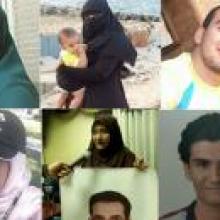
Over the course of September 2017, Alkarama and Al Wissam Humanitarian Assembly have submitted five cases of enforced disappearances in Iraq to the United Nations Committee on Enforced Disappearances (CED).

These cases represent part of the systematic practice of enforced disappearance in Iraq, where the rate of missing people remains one of the highest worldwide.

Iraqi army and Popular Mobilization Units both guilty of enforced disappearances

On September 5,   Alkarama sent an urgent appeal to the Working Group on Enforced or Involuntary Disappearances (WGEID) concerning the case of Abdellah Mohamed Ahmed, a 20-year-old student who has been disappeared since he was violently abducted on July 31, 2017 while on his way home from the mosque.

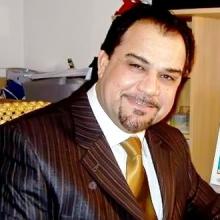
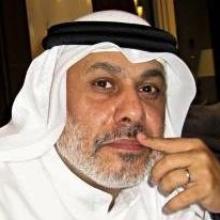
On September 11, 2017, Alkarama wrote to the Special Rapporteur on the Promotion and Protection of Human Rights and Fundamental Freedoms while Countering Terrorism (SCT) to bring to their attention the case of Mansoor Al Mansoori, a Qatari citizen who has been arbitrarily detained since August 15, 2017 by the State Security Services. Al Mansoori was presumably targeted because of his past activism, although he has long since abandoned all political activities.

On September 10, 2017, Ebrahim Metwally was abducted at Cairo International Airport as he was about to board a flight to Geneva to attend a meeting with the UN Working Group on Enforced or Involuntary Disappearances (WGEID). He was subsequently held incommunicado for two days.

On September 6, 2017, the UN Commission of Inquiry released its latest report addressing the major trends and patterns of international human rights and humanitarian law violations committed between March and July 2017.

A reporter for the Freedom and Justice newspaper and correspondent of Al Jazeera in the Suez Governorate, 30-year-old Abdul Rahman Shaheen has been detained by Egyptian authorities since 2014 in retaliation for his work as a journalist.

Shaheen had been wanted by the National Security forces since 2013 after he covered the peaceful protests in Suez against the military coup, as well as the repression and abuses committed against the protesters.

Arrest and trial

After a four-year-long confidential inquiry triggered by Alkarama, members of the Committee Against Torture (CAT) issued their conclusions, stating that the practice of torture is “habitual, widespread and deliberate” in Egypt. These conclusions are based on a wide range of cases of violations and an analysis of their structural causes, all of which were provided to the CAT by Alkarama between 2012 and 2016.

On August 28 and 29, 2017, Alkarama wrote to the United Nations Working Group on Enforced Disappearances (WGEID ) regarding the cases of Yasin Issa and his son, Ahmad Issa, as well as Abdul Rahman Al Mushasha, all of whom remain missing since their abductions in Damascus and its surrounding area between 2013 and 2014. The Syrian authorities must provide information on these victims’ whereabouts or fates, or at the least, put them under the protection of the law.

On August 30, Alkarama is observing the International Day of the Victims of Enforced Disappearances by expressing our concern for victims across the Arab World and by encouraging states to respect their international obligations.

On August 28 and 29, 2017, Alkarama and Al Wissam Humanitarian Assembly wrote to the United Nations Committee on Enforced Disappearances (CED ) regarding the disappearances of Duraid Al Janabi and Raed Al Janabi, both from Latifaya, who have been missing since 2014.